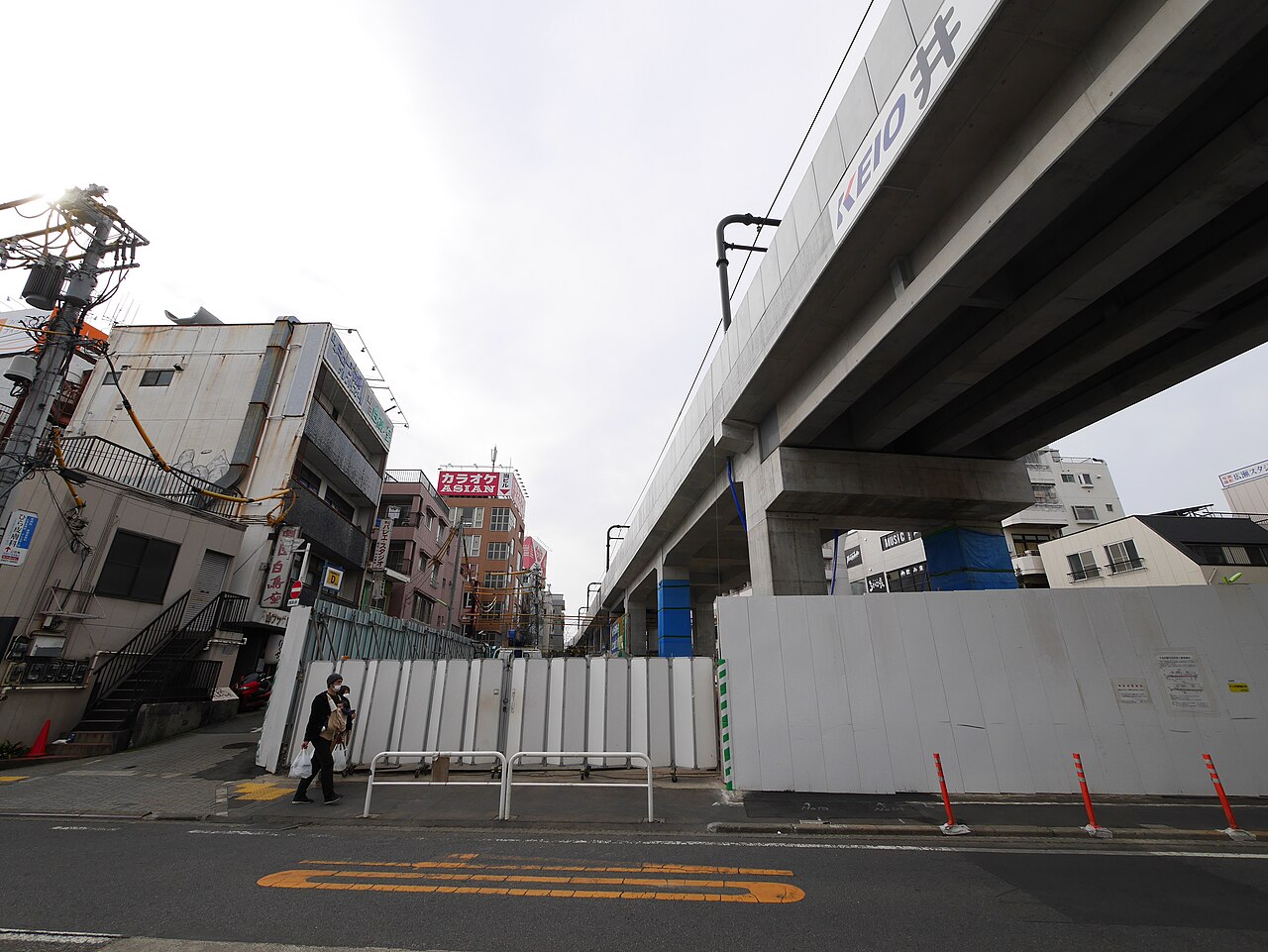
歴史
井の頭線のルーツは、1927年に山手線の外側に第二環状線を形成する約50キロメートル余りの免許を取得した東京山手急行電鉄にさかのぼるが、昭和恐慌の影響でこの計画は頓挫した。事業を引き継いだ鬼怒川水力電気の利光鶴松は、収益性の高い渋谷-吉祥寺間の建設を優先し、社名を帝都電鉄と改めた。路線は段階的に開業し、1933年8月1日に渋谷-井の頭公園間(12.1キロメートル)が複線で開通、1934年4月1日に井の頭公園-吉祥寺間(0.7キロメートル)が開通して全線開通した。帝都電鉄が小田急系であったため、軌間は小田急の路線と同じ1067ミリメートルの狭軌で建設され、1372ミリメートルの馬車軌間を用いる他の京王電鉄各線とは異なる、京王唯一の1067ミリメートル路線となっている。電化方式は当初600ボルト直流であった。山手線周辺から郊外へ延びる鉄道としては比較的遅い開業であったため、高架・掘割を中心に建設され、全鋼鉄製車両と自動扉を採用するなど、開業時は近代的な路線であった。
その後、戦時統合により事業者がめまぐるしく変わった。1940年5月に帝都電鉄は小田原急行鉄道に合併されて同社の帝都線となり、1941年3月に鬼怒川水力電気が小田原急行鉄道を合併して小田急電鉄となった。1942年5月1日には小田急電鉄が東京横浜電鉄に合併され、東京急行電鉄(大東急)の路線となり、このとき帝都線は現在の井の頭線に改称された。戦後の大東急解体時に経営判断から旧京王電気軌道と組み合わされ、分離した会社は京王帝都電鉄と名付けられ、1948年6月1日に井の頭線は京王の所有路線となった。1998年に社名を現在の京王電鉄に変更している。
戦争は路線に直接の傷跡を残した。1945年5月25日の東京大空襲で永福町検車区(車庫)が被災し、31両のうち24両が焼失する壊滅的な被害を受けた。応援車を入線させるため、同年6月に代田二丁目駅(現・新代田駅)と小田原線とを結ぶ代田連絡線が応急的に敷設された。他線と線路がつながっていない井の頭線にとって、これが唯一の連絡路であったが、同連絡線は1953年9月に廃止された。戦後は、1949年に3両編成運転が始まり1952年に全線に拡大、1961年11月15日に4両編成運転、1965年7月11日には駒場駅と東大前駅を統合して駒場東大前駅が開業した。これは戦前の全通後に設置された唯一の駅である。電圧の1500ボルト直流への昇圧を経て、1969年2月25日から冷房車が導入された。1971年4月30日に5両編成運転を開始し、同年12月15日には永福町駅に待避線を設けて急行運転を開始したが、当初の最高速度は80キロメートル毎時であった。1984年3月21日には全列車が冷房化されて冷房化率100%を達成した。日本語版資料によれば、井の頭線は関東私鉄各社の中で最初に冷房率100%を達成した路線であるとされる。
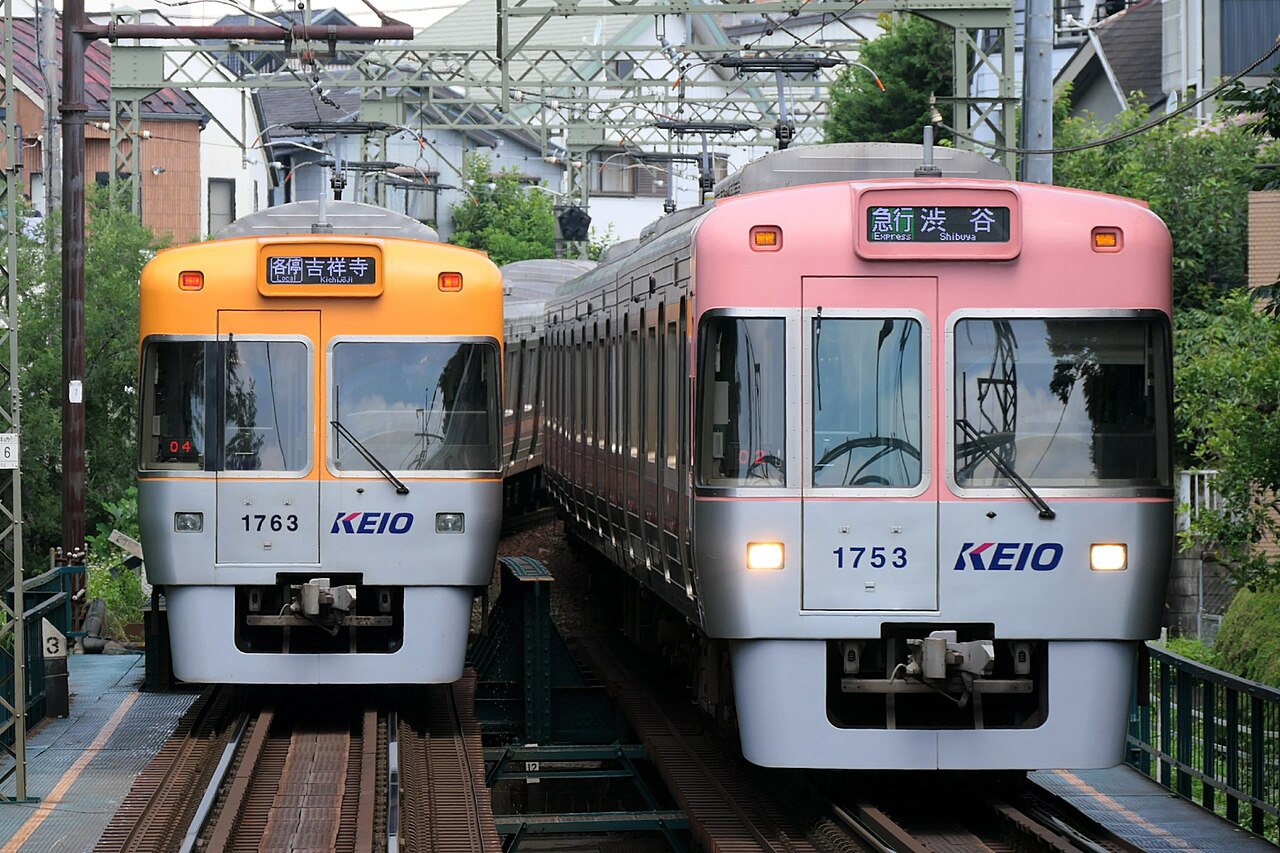
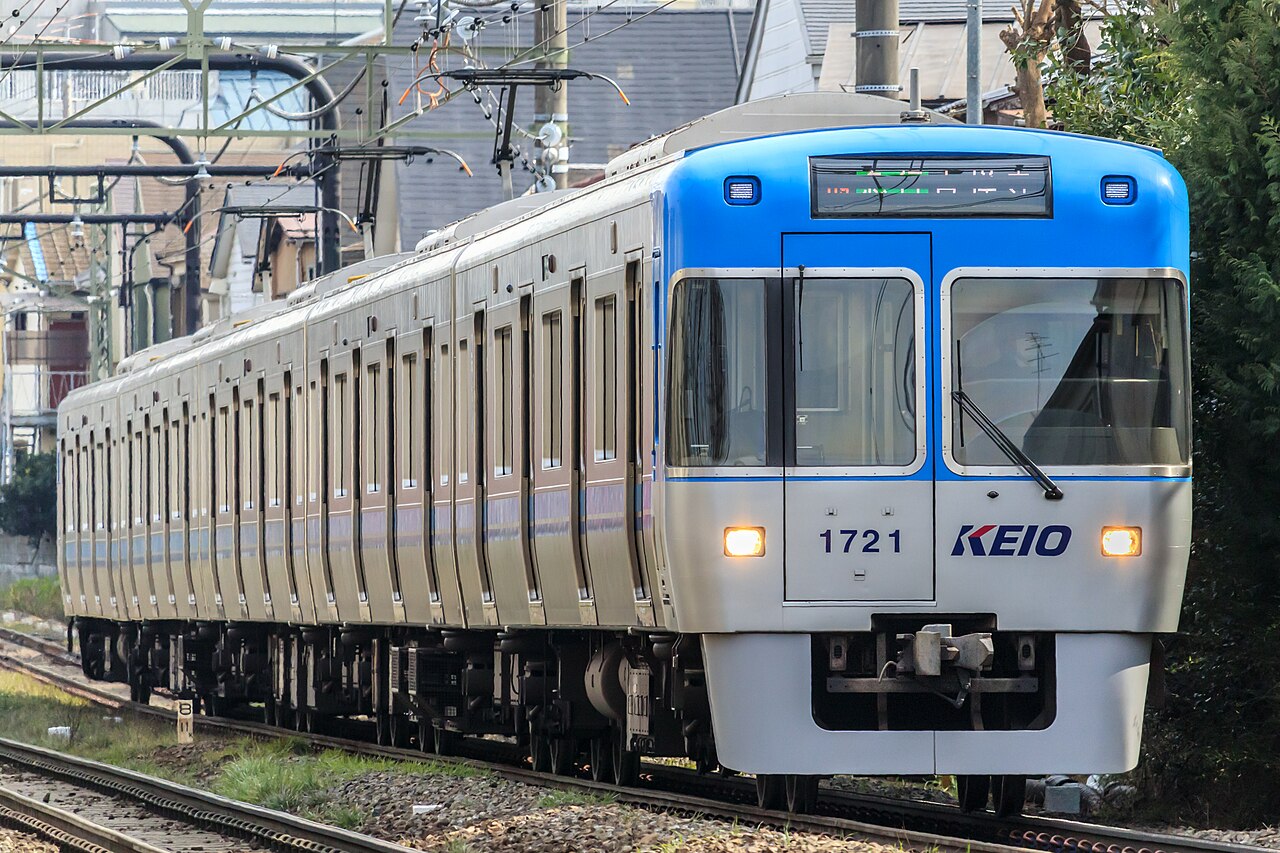
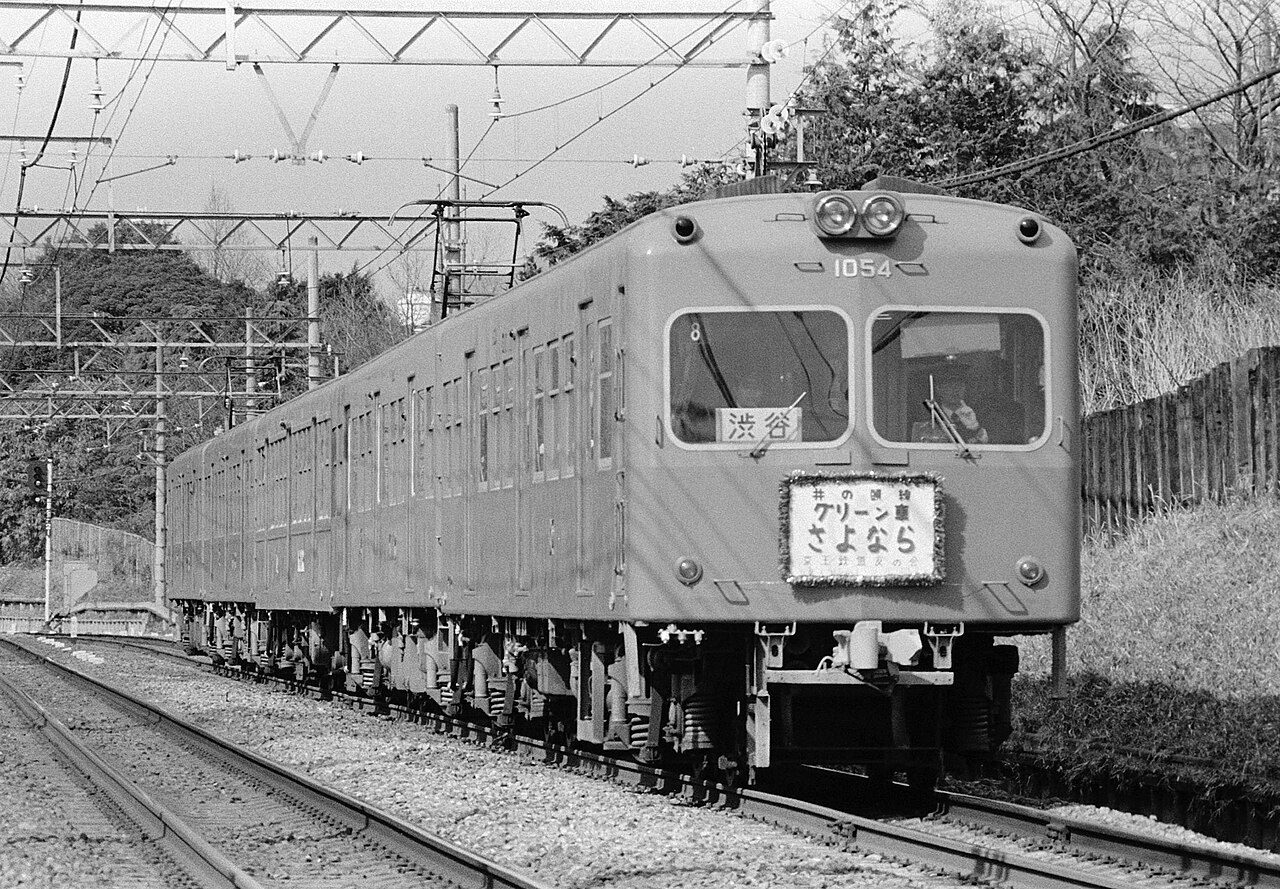
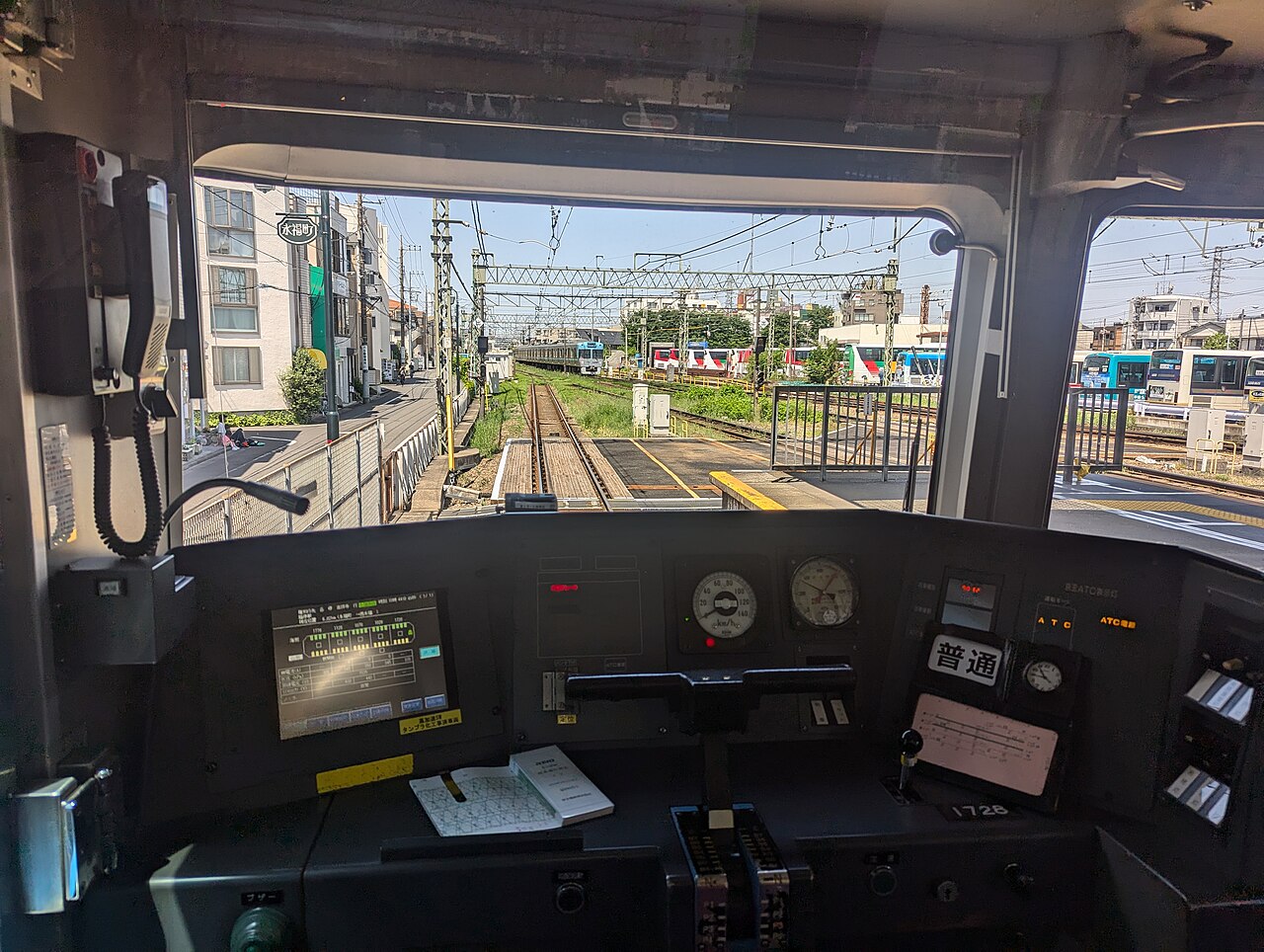
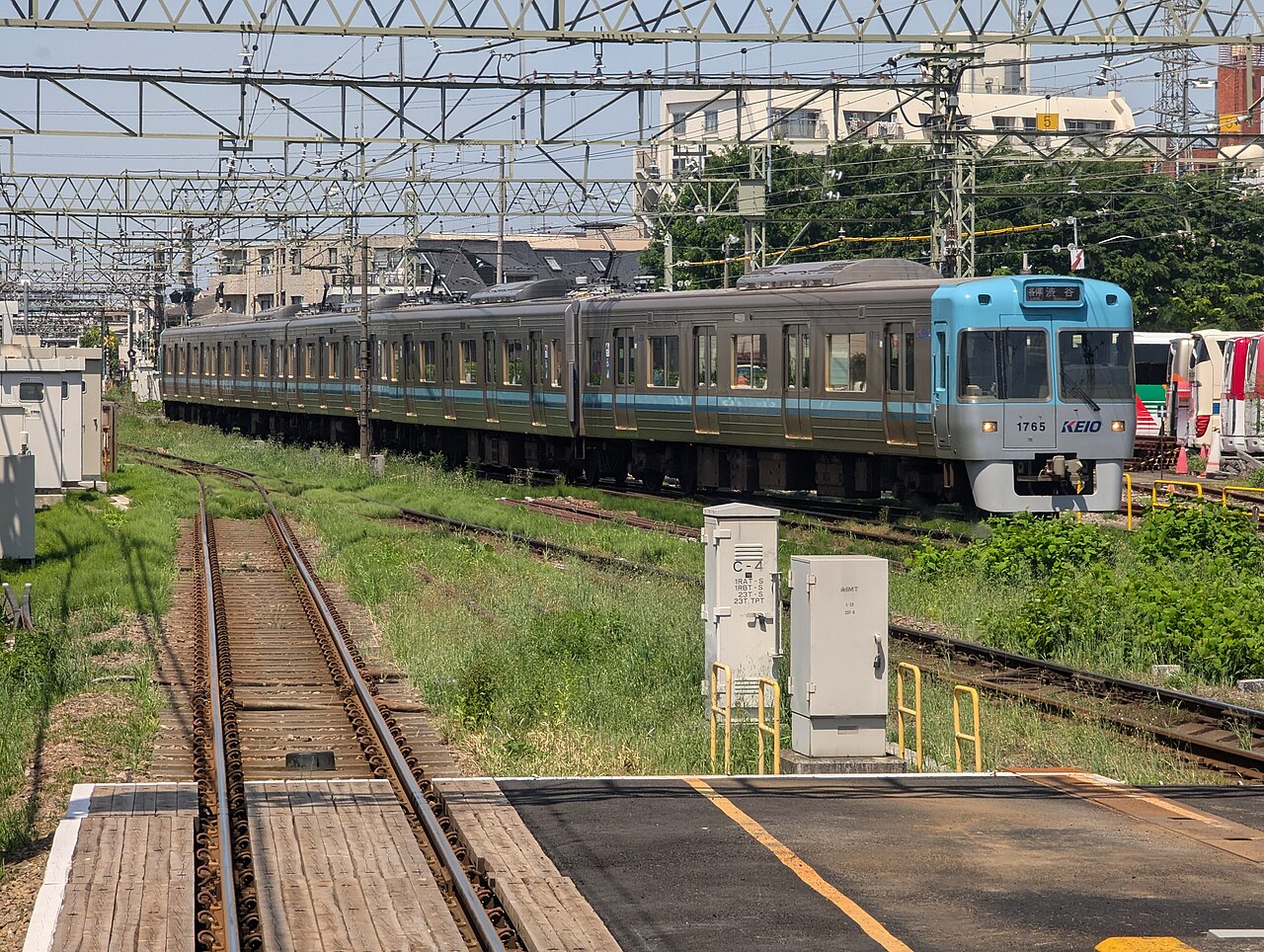
現在、京王は各駅停車(Local)と急行(Express)の2種別を運行しており、日中は急行・各停がそれぞれ8分間隔で運転される。車両は1996年1月9日から営業運転を開始した5両編成の京王1000系(2代)で、1962年12月30日から2011年12月まで運転されたステンレス車両の京王3000系を置き換えた。3000系は編成ごとの「レインボーカラー」の前面で知られ、これは京王線では採用されていない井の頭線独自の塗色であった。2013年2月22日からは「IN」を冠する駅ナンバリングが導入され、同年3月3日には新しいATCの使用が開始された。最高速度は90キロメートル毎時で、急行の運転速度は2001年3月以降に当初の80キロメートル毎時から90キロメートル毎時へ引き上げられた。全線が武蔵野台地上を走り、渋谷から吉祥寺までほぼ上り片勾配で、駅間距離は平均0.8キロメートルと非常に短い。短距離路線ながら利用は多く、英語版資料は2010年の1日利用者数を547,845人と記し、日本語版のインフォボックスは2019年度の1日利用者数を967,866人としている。京王の資料では渋谷駅が最多で、2024年度の一日平均乗降人員は286,940人である。小田急小田原線との乗換駅である下北沢駅では、井の頭線が旧小田急電鉄の路線であった名残として、2019年3月15日まで改札内での乗り換えが可能であった。
この路線の駅
年表
この年表は英語のみです。
- 1927The Tokyo Yamate Express Railway obtains a licence for a ~50 km outer loop line; the scheme is later derailed by the Shōwa financial crisis.
- 19331 August: the line opens as a double-track route from Shibuya to Inokashira-kōen (12.1 km), built by Teito Electric Railway (part of the Odakyu Group) to 1,067 mm gauge at 600 V DC.
- 19341 April: extended 0.7 km from Inokashira-kōen to Kichijōji, completing the Shibuya–Kichijōji route.
- 1940May: Teito Electric Railway merges into the Odawara Express Railway, becoming its Teito Line.
- 19411 March: Kinugawa Hydroelectric absorbs the Odawara Express Railway to form Odakyu Electric Railway.
- 19421 May: Odakyu is merged into the Tokyo-Yokohama Electric Railway to form Tokyo Kyuko (the 'Greater Tokyu'); the Teito Line is renamed the Inokashira Line.
- 194525 May: the Eifukuchō depot is hit in the Tokyo air raids, destroying 24 of 31 cars. In June the temporary Daita Link Line is laid to the Odakyū Odawara Line to bring in relief cars.
- 19481 June: on the break-up of the Greater Tokyu, the Inokashira Line passes to Keio Teito Electric Railway (later Keio Corporation).
- 1953September: the Daita Link Line is abolished, leaving the Inokashira Line physically isolated from the rest of the network.
- 196115 November: four-car operation begins.
- 196230 December: the Keio 3000 series stainless-steel EMUs enter service.
- 196511 July: Tōdaimae and Komaba stations are consolidated into the new Komaba-Tōdaimae Station — the only station added after the prewar route was completed.
- 196925 February: following the voltage being raised to 1,500 V DC, air-conditioned trains are introduced.
- 197130 April: five-car operation begins. 15 December: a passing loop is added at Eifukuchō and limited-stop Express services start, initially at a maximum speed of 80 km/h.
- 198421 March: all trains are air-conditioned, achieving a 100% air-conditioning rate (JA source: first among Kantō private railways to do so).
- 19969 January: the second-generation Keio 1000 series five-car EMUs enter passenger service.
- 19981 July: the operator changes its name to Keio Corporation.
- 2001After March: the Express maximum speed is raised from 80 km/h to 90 km/h.
- 2011December: the Keio 3000 series is withdrawn from service.
- 201322 February: station numbering (prefix 'IN') is introduced. 3 March: a new ATC signalling system enters use.
- 201915 March: the inside-the-gates transfer with the Odakyū Odawara Line at Shimo-Kitazawa ends. FY2019 daily ridership recorded as 967,866.
出典
事実確認日:2026年6月3日
ギャラリー 5枚
このページの全写真 ― 画像をタップすると原寸大で表示します。すべてウィキメディア・コモンズより(各写真の下にクレジット)。